
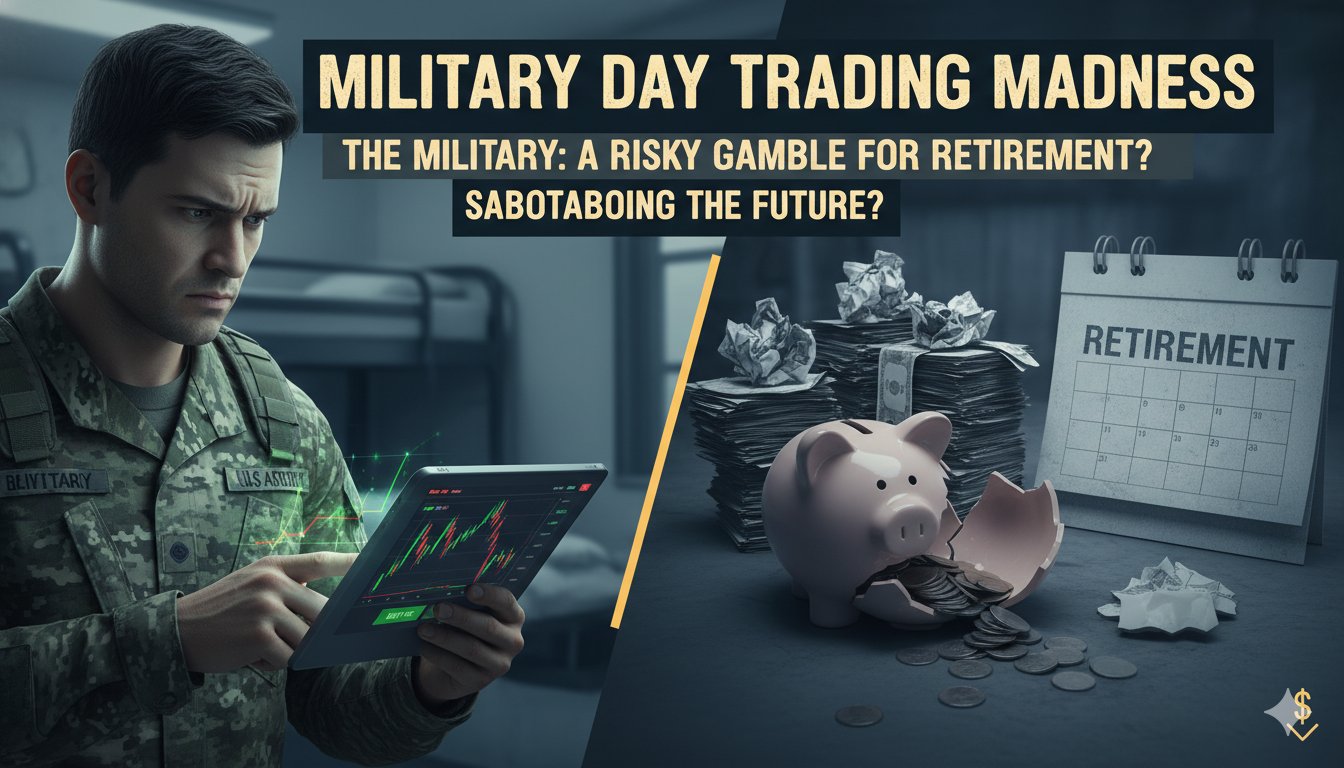
“A growing trend of high-stakes day trading within the U.S. military is drawing concerns from financial experts, who warn that impulsive stock and crypto bets could undermine soldiers’ retirement savings, with many servicemembers chasing quick gains amid market volatility while overlooking the risks to their Thrift Savings Plans and pensions.”
The Rise of “Battlefield Traders” in the Ranks
Across U.S. military bases, from stateside installations to overseas deployments, a new breed of investor has emerged: the day trader soldier. Fueled by easy access to mobile trading apps and the thrill of rapid market moves, active-duty personnel are increasingly diving into high-risk strategies like options trading, leveraged ETFs, and volatile cryptocurrencies. This surge comes at a time when market fluctuations, driven by geopolitical tensions and economic policies, have amplified both opportunities and pitfalls.
Recent surveys indicate that over 40% of junior enlisted members under age 30 have engaged in some form of short-term trading in the past year, often allocating portions of their paychecks or even dipping into emergency funds. The camaraderie of military life plays a role, with group chats and barracks discussions turning into informal trading floors where tips on the next big meme stock or altcoin spread quickly. But this adrenaline-fueled pursuit mirrors the high-stakes environment of combat, leading some to treat investing like a mission—except the enemy here is market downturns, and the casualties are often personal finances.
The Hidden Dangers to Military Retirement Plans
Financial advisors specializing in veteran affairs highlight how day trading can erode the foundations of military retirement systems. The Blended Retirement System, which combines traditional pensions with Thrift Savings Plan (TSP) contributions, relies on steady, long-term growth rather than speculative bets. Yet, many soldiers are shifting TSP funds into aggressive allocations or withdrawing early to fund trading accounts, incurring penalties and taxes that compound losses.
For instance, a servicemember earning an average E-5 salary of around $55,000 annually might see short-term gains from trading volatile assets like tech stocks, which have swung wildly amid 2025’s tariff implementations and AI boom. However, data shows that 90% of day traders lose money over time, with average annual returns for amateurs hovering below 1% after fees and taxes—far short of the TSP’s historical 7-10% compound growth in diversified funds.
Experts point to the psychological toll as well. The stress of monitoring positions during off-duty hours can lead to impulsive decisions, such as panic selling during dips caused by events like the recent U.S. interventions in Latin America, which briefly tanked defense-related stocks before a rebound.
Key Points on Why Day Trading Undermines Long-Term Wealth
| Risk Factor | Impact on Retirement | Mitigation Strategy |
|---|---|---|
| High Transaction Fees | Reduces net gains by 2-5% annually, eating into TSP matching contributions | Limit trades to low-cost brokers and focus on index funds |
| Tax Implications | Short-term gains taxed at ordinary income rates (up to 37%), vs. long-term capital gains (0-20%) | Hold investments for over a year to qualify for lower rates |
| Leverage and Margin Calls | Potential for total account wipeouts, forcing early TSP withdrawals | Avoid borrowed money; maintain a 50% cash buffer in portfolios |
| Opportunity Cost | Misses compound interest; a $10,000 loss at age 25 could mean $100,000 less at retirement | Prioritize automatic TSP contributions over speculative plays |
Volatility Mismatch with Military Life : Deployments and training schedules make consistent monitoring impossible, leading to missed signals and amplified losses. In 2025, TSP accounts tied to stock funds experienced swings of up to 15% due to trade policy shifts, but day traders faced even steeper drops without diversification.
Erosion of Pension Benefits : Under the High Three system, retired pay is based on the highest 36 months of basic pay, but supplemental income from trading isn’t factored in. More critically, failed trades can deplete savings needed to bridge the gap until full pension eligibility at 20 years of service.
Crypto’s Allure and Pitfalls : Bitcoin and other digital assets have seen adoption rates among military personnel double since 2024, with some reporting 200% gains in bull runs. However, regulatory crackdowns and market crashes, like the 30% drop in early 2026 amid global tensions, have left many with portfolios underwater, jeopardizing funds earmarked for post-service life.
Expert Warnings and Alternatives : Financial planners recommend shifting focus to low-risk vehicles like the TSP’s G Fund (government securities) or C Fund (S&P 500 tracking), which have delivered stable returns averaging 4-8% annually. Programs offering free financial counseling through military support services emphasize education on risk tolerance, urging soldiers to view retirement as a marathon, not a sprint.
Shifting Trends and Policy Responses
As the trend gains momentum, military leadership is stepping in with awareness campaigns. Base financial readiness programs now include modules on the perils of day trading, drawing from data showing that servicemembers who stick to passive investing retire with 25-30% more in assets. Meanwhile, amid broader economic pressures like rising interest rates and defense budget hikes projected at $500 billion for 2026, the emphasis is on preserving the financial resilience that underpins troop morale.
Disclaimer: This article is for informational purposes only and does not constitute financial advice, investment recommendations, or endorsements. Readers should consult qualified professionals for personalized guidance.








Leave a Reply