
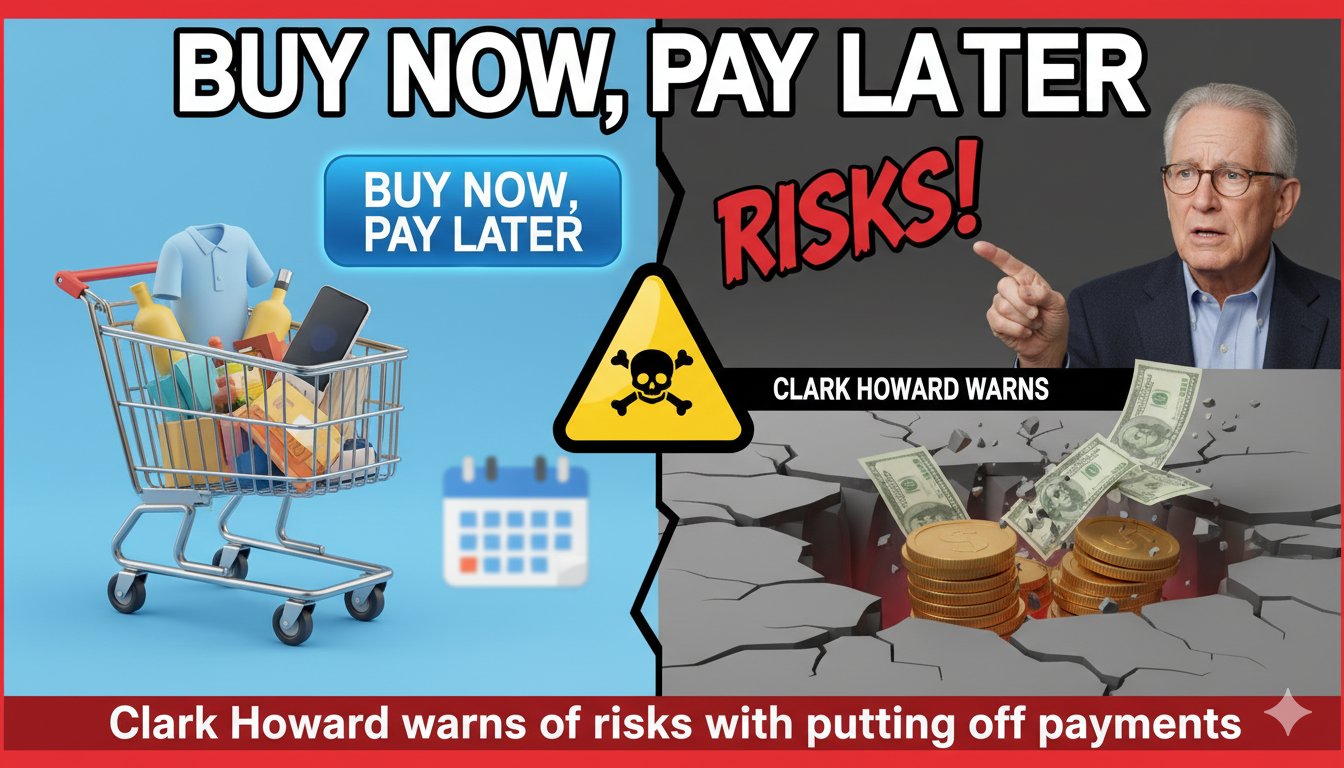
“Buy Now, Pay Later services have exploded in popularity, with holiday shoppers alone pushing billions through these installment plans, but veteran consumer advocate Clark Howard is sounding the alarm: these aren’t free money—they’re short-term loans that can quickly spiral into fees, credit damage, and deeper debt if payments are missed or mismanaged.”
The Risks of ‘Buy Now, Pay Later’ Plans
Buy Now, Pay Later (BNPL) options have become a staple at checkout for millions of American shoppers. Providers like Affirm, Klarna, Afterpay, PayPal, and Zip allow consumers to split purchases into interest-free installments, often four payments over six weeks. The appeal is straightforward: spread out costs without immediate full payment, making big-ticket items or holiday gifts feel more accessible.
Recent data shows explosive growth in this space. The U.S. BNPL market reached approximately $107 billion in transaction volume in 2025 and is projected to climb to around $128 billion in 2026, growing at a robust annual rate. Estimates suggest over 90 million Americans used BNPL in 2025, with projections pushing toward 100 million users soon. During the most recent holiday season, shoppers funneled a record $20 billion through BNPL, reflecting an nearly 10% increase from the prior year. Cyber Monday alone saw over $1 billion in BNPL transactions in some reports.
Clark Howard, a longtime consumer advocate with decades of experience guiding everyday Americans on smart money moves, has been vocal about the downsides. He stresses that BNPL isn’t “free money” as it often appears. These are loans, plain and simple. While many plans offer zero interest if paid on time, the structure encourages impulse buying by hiding the full commitment behind easy monthly bites.
One major concern Howard highlights is the risk of late payments. Surveys indicate that around 41% of BNPL users missed at least one payment in the past year, a noticeable uptick from previous periods. Late fees can kick in quickly—often $7 to $10 per missed installment—and repeated misses may trigger interest charges or reporting to credit bureaus after 30 days past due. This can ding credit scores, making future borrowing more expensive or difficult.
Howard points out how BNPL can lead to overextension. Shoppers may use multiple BNPL loans simultaneously across different providers, creating a web of due dates that’s easy to lose track of. If one payment slips, it can cascade: fees pile up, budgets tighten, and consumers turn to credit cards or other debt to cover gaps—defeating the purpose of avoiding interest in the first place. Experts advise against paying off BNPL with credit cards, as it layers high-interest debt on top of short-term obligations.
Another issue is the lack of uniform regulation compared to traditional credit. While some providers report to credit bureaus only for delinquencies, others don’t report on-time payments, meaning responsible use doesn’t always build credit history. This opacity can surprise users when problems arise.
Howard emphasizes personal responsibility in an era of easy access. BNPL thrives on seamless integration into online and in-store checkouts, boosting merchant sales but tempting consumers to spend beyond their means. Younger demographics, including Gen Z and millennials, show higher adoption rates—often over 50% reporting frequent use—drawn to the flexibility for fashion, electronics, or even everyday items like groceries in some cases.
To illustrate the scale:
Projected U.S. BNPL users in 2025: Over 90 million
Expected market volume in 2026: Approximately $128 billion
Holiday BNPL spending surge: $20 billion (up ~10% YoY)
Late payment rate among users: 41% in recent surveys
Average purchase amount: Around $140–$200 per loan
Howard’s core message is caution. Treat BNPL as debt, not a perk. Only use it for planned purchases you can afford to repay fully and on schedule. Track all outstanding loans diligently, perhaps through budgeting apps or calendars. If cash flow is tight, skip the split and save up instead—avoiding fees and potential credit hits altogether.
The convenience of BNPL is real, but so are the pitfalls. As adoption surges, Howard’s warning serves as a timely reminder: putting off payments today can mean paying a steeper price tomorrow.
Disclaimer: This is general financial news and commentary based on current market trends and expert insights. It is not personalized financial advice, investment recommendation, or legal guidance. Always consult a qualified professional for your specific situation.




Leave a Reply