
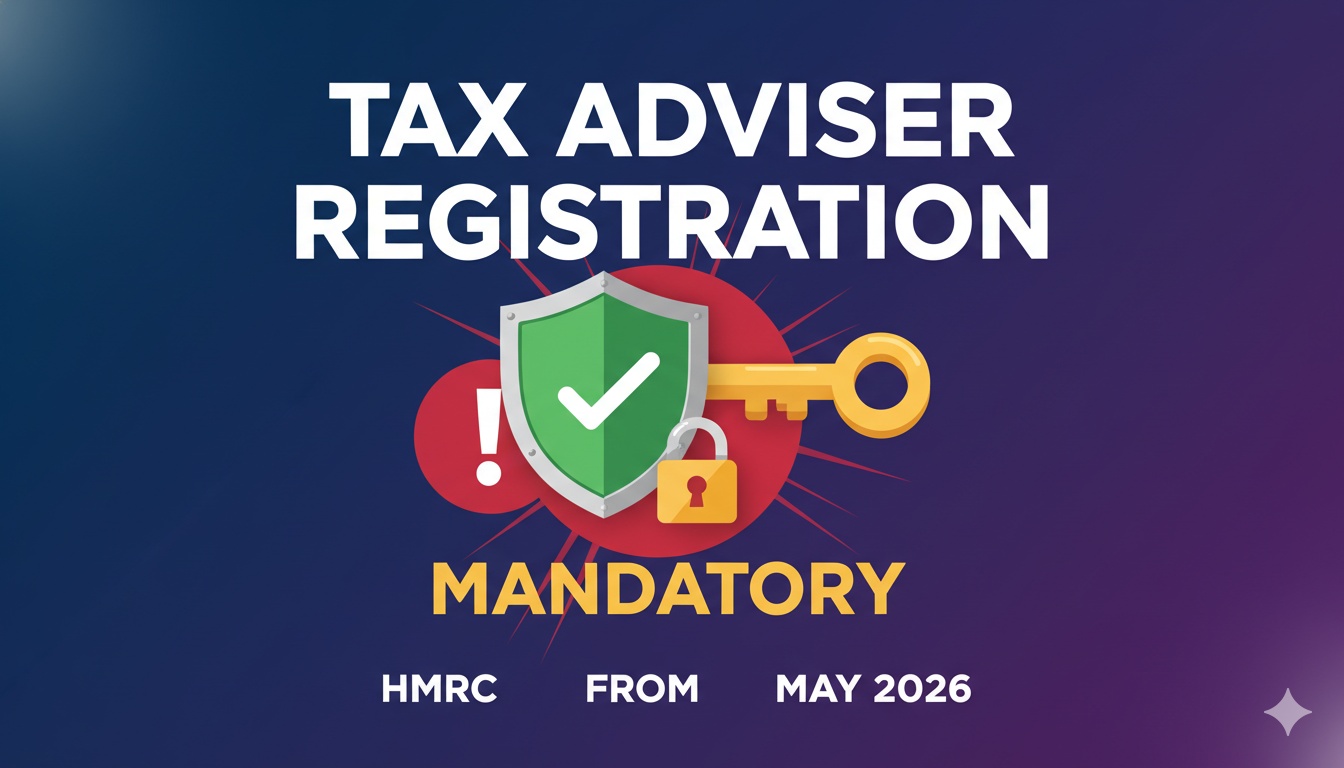
In a significant step to elevate standards in the UK tax advice market, HM Revenue & Customs (HMRC) will require all tax advisers who interact with the agency on behalf of clients to register mandatorily from May 2026. The phased rollout includes a transitional period of at least three months, aims to close the tax gap, support economic growth, and ensure advisers meet minimum standards, applying broadly even to overseas practitioners.
HMRC’s New Mandatory Registration Regime for Tax Advisers
The UK tax authority, HM Revenue & Customs (HMRC), is set to implement a comprehensive mandatory registration system for tax advisers beginning in May 2026. This follows a government consultation conducted in 2024, where stakeholders provided input on strengthening oversight in the tax advice sector. The policy, now enshrined in legislation through the recent Finance Bill, requires any individual or firm that interacts with HMRC regarding a client’s tax affairs—and receives payment for such services—to register officially.
The core objective is to raise professional standards across the tax advice market. By creating a clearer register of who is representing taxpayers, HMRC aims to improve compliance, reduce the tax gap through better detection of poor practices, and foster greater trust in the system. This move addresses longstanding concerns about inconsistent quality in tax advice, particularly from unregulated providers, and aligns with broader efforts to modernize HMRC’s interactions with agents.
Who Must Register?
The requirement applies to a wide definition of “tax adviser.” This includes any person or organization that, in the course of business:
Provides advice on tax matters.
Acts (or purports to act) as an agent for another person in relation to tax.
Assists with documents or information that HMRC uses to determine tax liabilities.
Importantly, the scope is global—registration is required regardless of where the adviser or client is located, as long as interactions with HMRC occur. This captures not only traditional accountants and tax consultants but also payroll providers, bookkeepers handling tax-related submissions, and even some in-house tax functions in certain cases where third-party representation happens.
Exemptions are limited. For instance, those representing clients only in court or tribunal appeals without prior HMRC interaction may not need to register. However, most paid professional services involving HMRC correspondence, filings, or queries will trigger the obligation.
Phased Rollout and Deadlines
HMRC has structured the implementation in stages to minimize disruption:
From 18 May 2026 : The online registration system opens for Agent Services Accounts (ASAs). This initial phase targets new or non-registered advisers.
From 18 August 2026 : Advisers already holding Self Assessment or Corporation Tax accounts (but lacking a full Agent Services Account) must register.
From 18 November 2026 : Those providing only third-party payroll services (with no other HMRC interactions) become subject to the requirement.
A transitional period of at least three months follows each deadline, during which advisers can continue operations while applying. HMRC has indicated flexibility for overseas advisers or those needing extra time to comply. After the transition, non-registered advisers will be barred from interacting with HMRC on client matters.
Registration involves obtaining or upgrading to an Agent Services Account, a digital platform HMRC has been promoting for secure agent-client interactions. A non-digital alternative will be available for those excluded from online services.
Minimum Standards and Compliance Requirements
Registration is not automatic. Advisers must meet “minimum standards” set by HMRC. These include:
Principals (those in control of the firm) must maintain clean personal tax records—no outstanding serious defaults or penalties.
Firms must demonstrate fit-and-proper status, including no history of facilitating tax evasion or aggressive avoidance schemes.
Adherence to professional conduct rules, with potential checks on qualifications, insurance, and complaint-handling processes.
In smaller firms (five or fewer people), each relevant individual may need individual registration. HMRC will conduct verification, and failure to meet standards could result in refusal or revocation of registration.
Implications for the Tax Advice Profession
This regime will affect thousands of practitioners. Many already use Agent Services Accounts, but the mandatory nature elevates it to a legal requirement. Firms must prepare by reviewing client lists, updating internal processes, and ensuring all team members understand the changes.
Professional bodies like the Chartered Institute of Taxation (CIOT), Association of Taxation Technicians (ATT), and Institute of Chartered Accountants of Scotland (ICAS) have issued guidance and FAQs to help members comply. They emphasize early preparation to avoid service disruptions.
For clients, the change promises higher-quality advice and greater protection from substandard practices. It may lead to some advisers exiting the market if they cannot meet standards, potentially consolidating services among qualified professionals.
Potential Challenges and Enforcement
Challenges include the administrative burden of registration, particularly for smaller or overseas firms. HMRC has committed to clear communication, updated guidance, and support channels ahead of the rollout.
Enforcement will ramp up post-transition, with penalties for unauthorized interactions. This could include fines or restrictions on agent access to HMRC systems.
Overall, the policy represents a pivotal shift toward regulated professionalism in UK tax services, aiming for a more transparent and efficient ecosystem.
Disclaimer : This article is for informational purposes only and does not constitute professional tax, legal, or financial advice. Readers should consult qualified professionals for personalized guidance.










Leave a Reply