
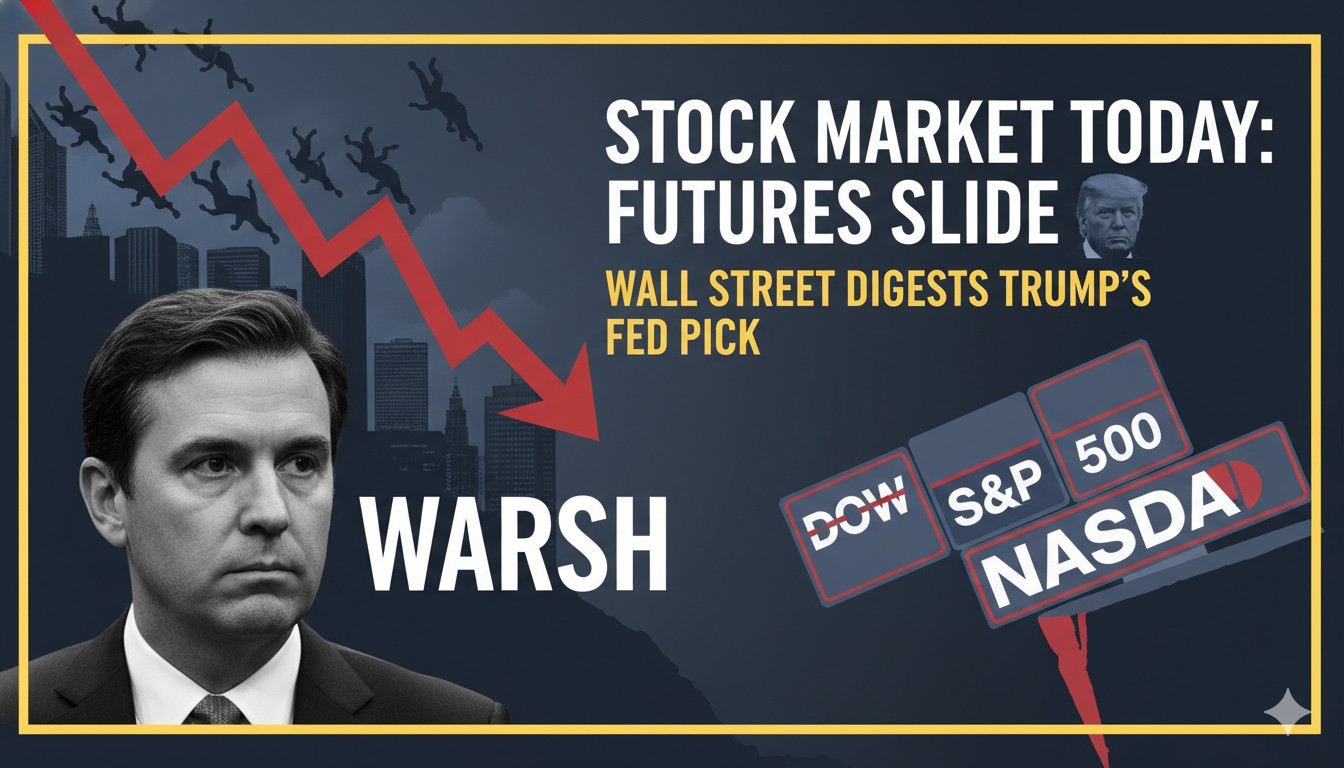
U.S. stock futures tumbled amid investor uncertainty following President Trump’s announcement nominating Kevin Warsh, a former Federal Reserve governor and vocal critic of current policies, to replace Jerome Powell as Fed chair; the Dow futures dropped over 300 points, S&P 500 futures fell by more than 50 points, and Nasdaq futures slid nearly 250 points, reflecting broader market concerns over potential hawkish shifts in interest rates and regulatory oversight.
U.S. equity futures pointed to a lower open on Wall Street, with major indices reflecting heightened volatility as traders parsed the implications of President Trump’s selection of Kevin Warsh for the Federal Reserve’s top job. The move comes at a pivotal moment for the economy, where inflation remains stubborn in certain sectors, and growth projections are mixed amid ongoing global trade tensions and domestic fiscal debates.
Warsh, known for his tenure on the Fed board during the financial crisis era and his subsequent critiques of expansive monetary policies, is seen by many as a harbinger of tighter financial conditions. His nomination has sparked debates about whether the Fed might pivot toward more aggressive rate hikes or a reevaluation of its balance sheet strategies, potentially curbing the easy money environment that has fueled market gains in recent years. Investors are weighing the possibility of a more disciplined approach to inflation control against the risks of slowing economic momentum.
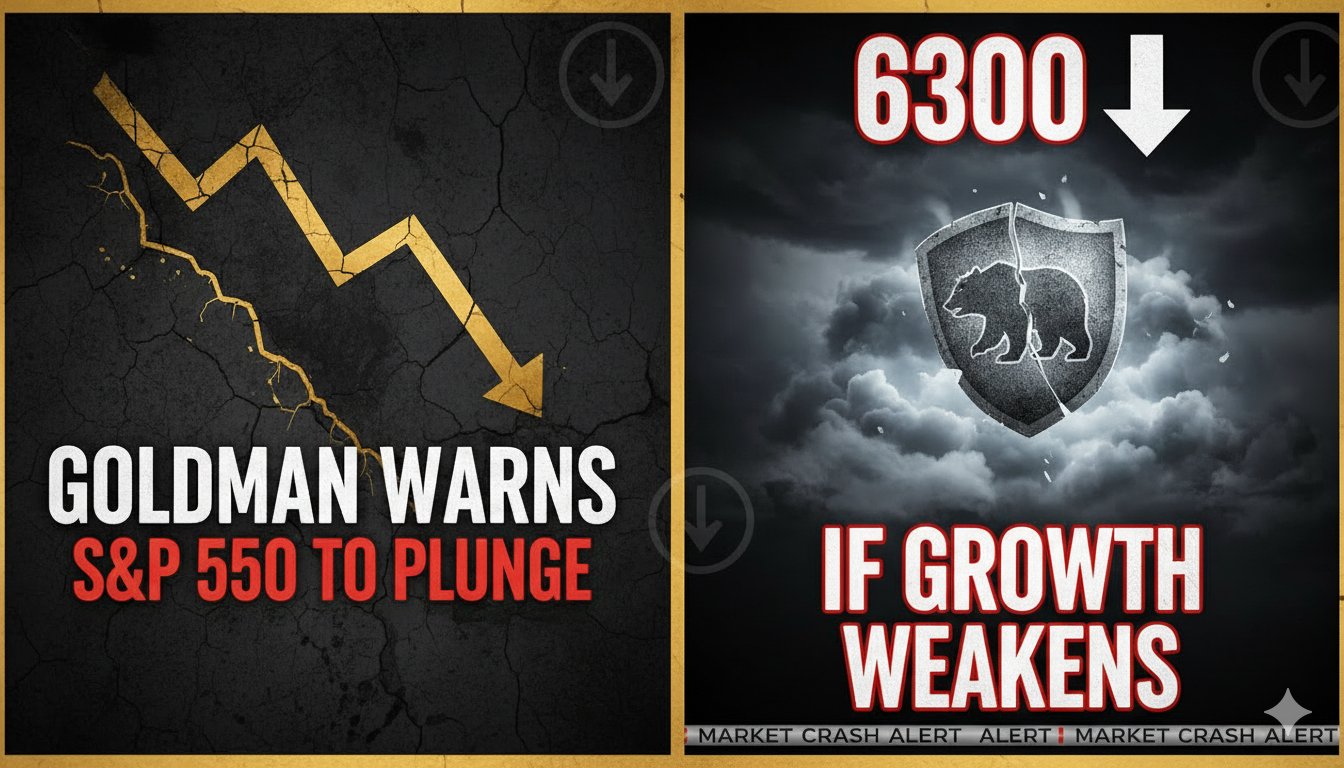
Futures contracts for the major benchmarks showed consistent declines in pre-market trading. The Dow Jones Industrial Average futures were down approximately 370 points, signaling a potential opening drop of about 0.75%. S&P 500 futures declined by around 60 points, or roughly 0.87%, while Nasdaq futures shed nearly 284 points, equating to a 1.1% retreat. These moves underscore a risk-off sentiment, particularly in growth-oriented tech stocks, which have been sensitive to interest rate expectations.
To provide a clearer snapshot of the futures landscape:
| Index | Current Futures Level | Change | Percentage Change |
|---|---|---|---|
| Dow Jones | 48,800 | -370 | -0.75% |
| S&P 500 | 6,932 | -60 | -0.87% |
| Nasdaq 100 | 25,715 | -284 | -1.10% |
This table highlights the immediate market reaction, with the Nasdaq underperforming due to its heavier weighting in technology and innovation-driven companies. The broader market’s response also ties into recent economic data, including resilient consumer spending figures and a labor market that continues to show strength, albeit with signs of cooling in wage growth.
Market Movers and Sector Breakdown
Diving deeper into sector-specific impacts, technology stocks appear poised for the sharpest pullback. Mega-cap names like those in semiconductors and software have thrived under low-rate regimes, but Warsh’s history of advocating for normalized interest rates could pressure valuations. For instance, chipmakers, which rely on heavy capital investments, might face higher borrowing costs, leading to reduced profit margins and slower expansion plans.
In contrast, financials could see a mixed bag. Banks and lenders often benefit from steeper yield curves, which might emerge if the Fed adopts a more hawkish stance under Warsh. However, the nomination’s uncertainty has led to initial selling pressure across the board, with regional banks particularly vulnerable to any abrupt policy shifts. Energy sectors are also in focus, as fluctuating commodity prices—exacerbated by geopolitical tensions—interact with monetary policy signals. Oil futures hovered around $85 per barrel, down slightly, while natural gas prices showed modest gains amid seasonal demand expectations.
Defensive sectors like utilities and consumer staples might offer relative havens, as investors rotate toward stability. Healthcare, too, could hold up better, given its less rate-sensitive nature and ongoing innovations in biotech and pharmaceuticals. Yet, the overarching theme is caution: portfolio managers are likely trimming positions in high-beta assets, favoring cash or short-term Treasuries until Senate confirmation hearings provide more clarity on Warsh’s agenda.
The Broader Economic Context
Warsh’s potential leadership arrives against a backdrop of an economy that’s expanded robustly but faces headwinds. GDP growth in the latest quarter clocked in at an annualized 2.8%, driven by consumer resilience and infrastructure spending. However, persistent supply chain issues in manufacturing and elevated core inflation—running at about 3.2% year-over-year—have kept the Fed’s dual mandate of price stability and maximum employment in sharp relief.
Critics of the current Fed regime argue that quantitative easing has distorted asset prices, creating bubbles in equities and real estate. Warsh has publicly echoed these sentiments, calling for a return to fundamentals where policy decisions are less reactive to short-term data fluctuations. His approach might involve a faster unwind of the Fed’s massive balance sheet, currently exceeding $7 trillion, which could inject volatility into bond markets. Treasury yields have already ticked higher, with the 10-year note approaching 4.5%, a level that could crimp mortgage rates and corporate borrowing.
On the international front, the dollar strengthened against major currencies, gaining 0.5% against the euro and yen. This currency appreciation could challenge U.S. exporters, particularly in agriculture and machinery, while benefiting importers. Emerging markets, sensitive to U.S. policy ripples, saw their equities dip in sympathy, with Asian indices closing lower overnight.
Investor Sentiment and Strategic Considerations
Sentiment surveys indicate a dip in optimism, with the latest readings from institutional investors showing increased allocations to hedges like options and inverse ETFs. Retail traders, active on platforms tracking real-time flows, are monitoring volume spikes in volatility products, such as those tied to the VIX, which surged past 18—a threshold often signaling elevated fear.
For long-term investors, this nomination could mark a inflection point. If confirmed, Warsh might prioritize regulatory reforms, streamlining oversight for smaller institutions while tightening scrutiny on systemic risks. This could foster innovation in fintech and blockchain applications, areas where current policies have been seen as overly cautious. However, the transition period—Powell’s term ends in May—leaves room for interim policy adjustments, potentially including another rate cut if economic data softens.
Key points to watch include:
Senate Confirmation Dynamics : With a divided Congress, hearings could drag on, introducing more uncertainty. Warsh’s Republican ties might smooth the path, but Democrats may probe his views on climate-related financial risks and inequality.
Commodity Repercussions : Gold prices plummeted below $5,000 per ounce, down 11% in a single session, as a stronger dollar and hawkish Fed outlook diminished its appeal as an inflation hedge. Silver and other metals followed suit, while cryptocurrencies exhibited wild swings, with Bitcoin dipping below $150,000 before rebounding.
Corporate Earnings Angle : Upcoming reports from bellwethers in tech and retail will be scrutinized for guidance on rate sensitivity. Companies with high debt loads might accelerate refinancing efforts, while those with strong cash positions could capitalize on buybacks or acquisitions.
Global Spillover Effects : European and Asian markets reacted negatively, with the FTSE 100 down 0.8% and Nikkei slipping 1.2%. Central banks worldwide, from the ECB to the Bank of Japan, may adjust their stances in response to anticipated U.S. tightening.
Overall, the market’s digestion of this nomination underscores the Fed’s outsized influence on asset prices. Traders are positioning for a regime shift, where data dependency gives way to a more principled framework, potentially leading to healthier long-term growth but near-term pain.
Disclaimer: This article is for informational purposes only and does not constitute financial advice, investment recommendations, or endorsements. Readers should conduct their own due diligence and consult with licensed financial advisors before making any decisions. The information presented is derived from publicly available sources and may not reflect all relevant factors or updates.




Leave a Reply